The Definitive Application Choice. Aqueous vs Solvent Cleaning: Making the Right Choice in Precision Engineering.
Choosing the wrong cleaning process costs more than most manufacturers realise in rework, in energy, in waste disposal, and in failed validation. Aqueous and solvent cleaning each have genuine strengths, and genuine limitations. Neither is universally superior. This guide gives you the technical and commercial framework to make the right call for your application.
Making the Right Choice- Choosing between Aqueous and Solvent Cleaning
There is no universal solution only the most appropriate process for your application.
- Aqueous cleaning offers flexibility and scalability
- Solvent cleaning delivers precision, speed, and consistency
With modern advancements in both technologies, the focus should be:
“Which process delivers the required cleanliness standard, within regulatory and operational constraints?”
The correct choice depends on contamination type, substrate sensitivity, drying requirements, and regulatory obligations, not simply whether a process uses water or solvent.
This guide provides a focused comparison of aqueous and solvent cleaning systems, helping engineers and decision-makers select the most effective and future-proof solution.
What Is Aqueous Cleaning?
Aqueous cleaning uses water-based solutions enhanced with detergents, surfactants, and additives to remove contaminants such as particulates, oils, and residues. Often requiring mechanical action to remove contaminants.
Systems typically incorporate:
- Ultrasonic cleaning
- Spray washing
- Multi-stage rinsing and drying
How does Aqueous Cleaning Work?
Aqueous Cleaning works via displacement, emulsification, and saponification (converting oils into soaps). Aqueous cleaning relies heavily on mechanical action (ultrasonics/spray) and heat to be effective.
What are the Advantages of Aqueous Cleaning?
Effective for particulate contamination and general degreasing
- Suitable for high-volume cleaning operations
- Best for Polar/Inorganic Contaminants (salts, fingerprints, metal oxides, and water-soluble coolants).
- Increasingly compatible with sensitive components
- Can be combined with surface conversion processes such as plating, passivation etc
- Can meet medical cleaning requirements, including ISO 10993-18
What are the Limitations of Aqueous Cleaning?
- Requires multi-stage processing (wash, rinse, dry)
- Drying introduces energy consumption and process delays
- Risk of corrosion, spotting, or residue if poorly controlled
- Significant water treatment for costs
- Waste chemical and water disposal costs
- Less effective on non-polar contaminants (e.g. oils, silicones)
- The addition of water can be counterproductive for applications with moisture sensitive components
- Extended process cycle times
What Is Solvent Cleaning?
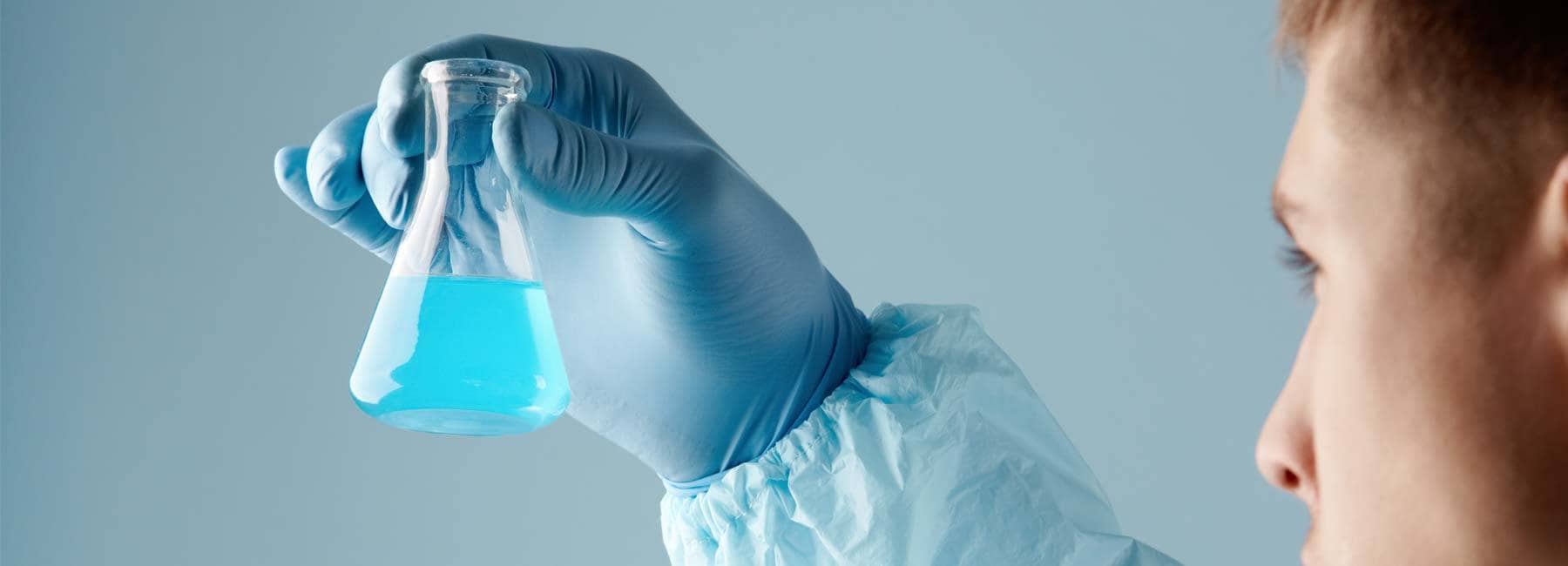
Solvent cleaning encompasses a broad range of technologies. At one end, open-top degreasing systems offer simplicity and low capital cost. At the other, closed-loop vapour degreasing represents the modern evolution of the technology: precise, controlled, and designed for the tightest cleanliness and emissions standards. Within both, there is further choice: fluorinated solvents and non-fluorinated options such as modified alcohols and perchloroethylene each bring distinct performance and regulatory profiles.
Selecting the right solvent technology starts with understanding what each is designed to do.
Solvent cleaning uses engineered chemical fluids often within vapour degreasing systems to dissolve and remove contaminants at a molecular level.
Modern systems operate in closed-loop environments, ensuring minimal emissions and high efficiency.
How does Solvent Cleaning Work?
Solvents remove contamination through chemical affinity; the principle that “like dissolves like”. Rather than relying on mechanical energy or elevated temperatures to lift soils from a surface, solvents dissolve them directly at the molecular level. In vapour degreasing systems, parts are continuously bathed in freshly distilled solvent vapour, ensuring the cleaning medium remains pure throughout the process and eliminating the cross-contamination risk inherent in static bath systems. The result is consistent, repeatable cleaning performance from the first cycle to the last.
What are the Advantages of Solvent Cleaning?
- High solvency power for oils, greases, waxes, and flux
- Best for Non-Polar Contaminants (heavy oils, grease, waxes, silicones, and flux).
- Fast drying with no water residue
- Ideal for precision cleaning and complex geometries
- Reduced cycle times and lower overall operational costs
- Suitable for water-sensitive components
- Homogenous process conditions for repeatable results
- Easily recycled and re-used cleaning fluids reduce waste
Low Surface Tension & Part Geometry as a critical deciding factor.
One of the most overlooked but decisive advantages of solvent cleaning is low surface tension.
Solvent cleaning fluids (particularly fluorinated types) typically have significantly lower surface tension and viscosity than water-based systems. This directly impacts how the fluid interacts with complex components.
In practice, this means:
- The solvent can wet surfaces instantly, rather than beading or resisting entry
- It can penetrate microscopic features such as blind holes, capillaries, fine threads, and porous surfaces
- It reaches into tight tolerances and densely packed assemblies where aqueous systems physically cannot access
- It drains cleanly, leaving no trapped fluid or drying marks
By contrast, water-based systems (with higher surface tension) often:
- Struggle to penetrate fine features without surfactants or mechanical energy
- Trap moisture in complex geometries
- Require extended drying stages to remove residual water
In precision engineering, part geometry alone can dictate the process choice.
If contamination sits within fine features or inaccessible areas, solvent cleaning is often the only method that can reliably reach, clean, and dry the component in a single cycle.
Another Key solvent benefit: Built-In Fluid Purity & Process Stability
A major advantage of solvent systems particularly closed-loop vapour degreasing is the ability to continuously regenerate the cleaning fluid during operation.
Through internal distillation:
- Contaminants are separated from the solvent
- The system continuously supplies clean, pure solvent to the process
- Cleaning performance remains stable over time, not just at the start of a cycle
This eliminates a common issue seen in aqueous systems, progressive bath contamination and performance decline.
The result is:
- Consistent cleaning quality
- Reduced need for fluid change-out
- Lower waste generation
- Greater process control and reliability
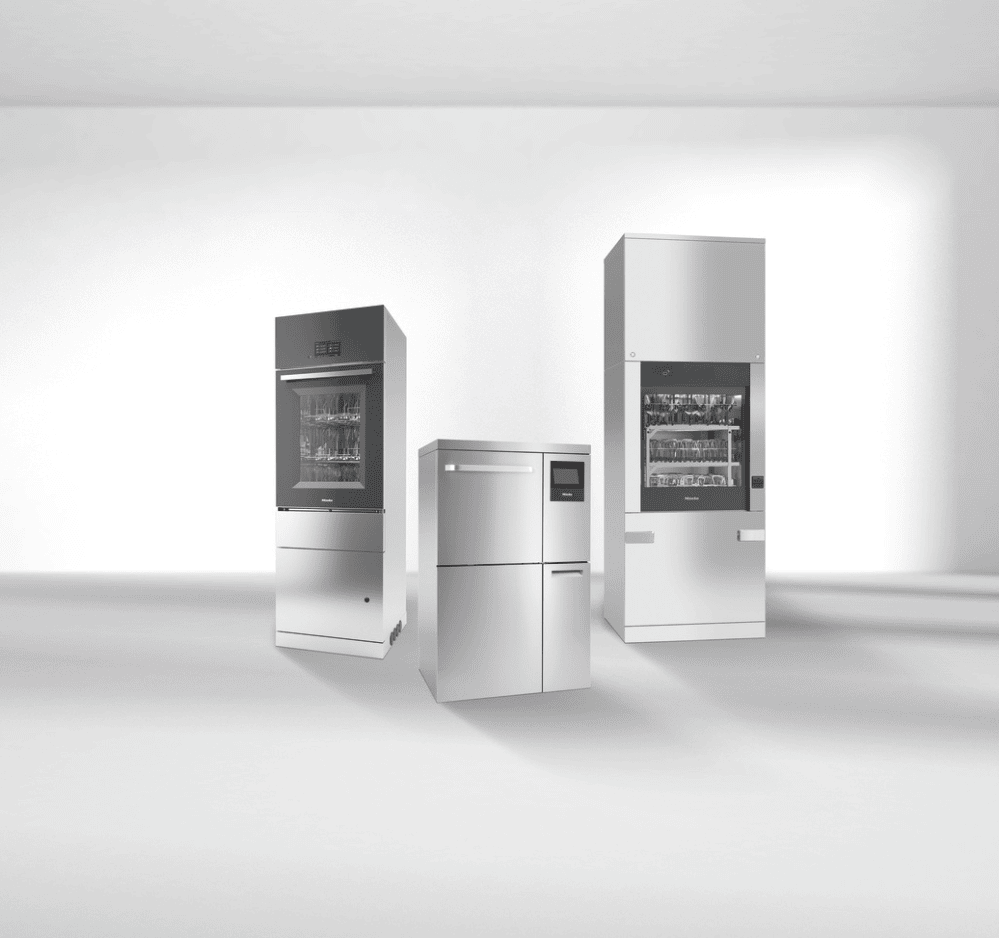
Is Equipment Footprint & Utility Part of Your Decision making?
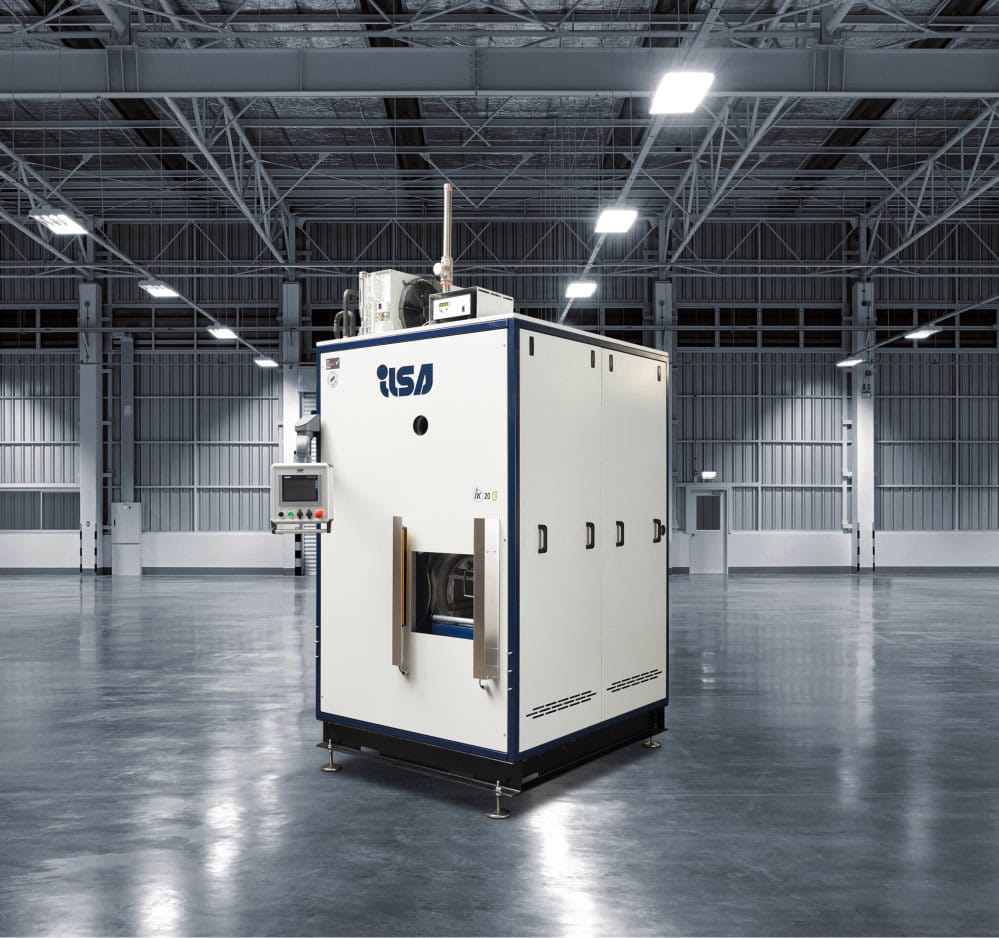
Process selection is often driven not just by cleaning performance, but by available factory space and overall process footprint.
Aqueous cleaning systems are typically the most space-intensive. Traditional systems are modular by design, often requiring multiple stages (3–5 tanks) for wash, rinse, and drying. This results in a large physical footprint, alongside higher utility demands for water, heating, and drying.
Solvent cleaning systems sit at the opposite end of the scale. Speciality fluid-based systems, particularly compact vapour degreasers, offer a significantly smaller footprint, making them ideal for space-constrained environments. More advanced closed-loop solvent systems are slightly larger, but still far more compact than aqueous equivalents, while delivering the added benefit of integrated distillation and solvent recovery.
Solvent systems require no mains water or drains and typically use significantly lower energy.
Fraser Technologies bridges the gap between these technologies.
We can supply modern slimline aqueous systems, designed to reduce the footprint of traditional multi-stage equipment, as well as highly compact closed-loop solvent systems that maximise efficiency while minimising space, water usage, and chemical consumption.
The result is not just a choice between aqueous and solvent-but a tailored solution aligned to your space, process, and operational constraints.
Are Solvents Still Environmentally Harmful?
This is one of the most persistent myths in precision cleaning.
Comparing Legacy vs Modern Solvents
Older solvents:
- High toxicity
- Ozone depletion potential
- High Global Warming Potential (GWP)
Modern alternatives such as the Opteon™ range offer:
- Ultra-low GWP
- Zero ozone depletion
- Improved operator safety
This aligns with UK sustainability targets and regulatory expectations.
Health & Safety: Aqueous vs Solvent Systems
Solvent Considerations
Legacy chemicals are restricted due to toxicity and long-term exposure risks.
However, modern solvents are:
- Low in toxicity
- Stable under operating conditions
Aqueous Considerations
Aqueous systems are not risk-free:
- Detergents may be alkaline or acidic
- Operators may still face chemical exposure risks
- Wastewater treatment and disposal must comply with regulations
Conclusion: Safety depends on process design and chemical selection, not simply whether a system is water-based.
Critical Process Factors Often Overlooked
Selecting the wrong cleaning system often comes down to incomplete evaluation.
Key Variables to Assess
Contamination Type:
- Polar vs non-polar
- Organic vs inorganic
Substrate Material:
- Metal, plastic, composite
- Corrosion sensitivity
Drying Requirements:
- Time constraints
- Energy consumption
- Moisture tolerance
Throughput & Efficiency:
- Cycle time
- Labour requirements
- Automation potential
Process Control:
- Chemical stability
- Chemical concentration control
- Waste management
Wash tank contamination build up
Regulatory Compliance:
- UK REACH
- F-Gas regulations
- COSHH requirements
Progressive and ongoing trends in the Industry
The industry is increasingly adopting application-specific solutions, including:
- Multi-stage aqueous systems
- Modified alcohol cleaning
- Closed-loop solvent systems
- Bespoke engineered processes
This allows manufacturers to:
- Maximise cleaning performance
- Reduce environmental impact
- Maintain full regulatory compliance
- Combine polar and non-polar cleaning capabilities by using Modified alcohol.
Making the Right Choice
There is no universal solution only the most appropriate process for your application.
- Aqueous cleaning offers flexibility and scalability
- Solvent cleaning delivers precision, speed, and consistency
With modern advancements in both technologies, the focus should shift from
“which is safer?”
to:
“Which process delivers the required cleanliness standard, within regulatory and operational constraints?”
Need Expert Guidance?
A structured cleaning trial can identify:
- The optimal chemistry
- The best equipment for your components and contamination
- The most efficient equipment configuration
- Real-world performance improvements
Fraser Technologies supports manufacturers with:
- Aqueous Cleaning Systems
- Solvent Supply
- Aqueous Chemistry Cleaning Process additives
- Solvent and Multi-Solvent technologies
- Ultrasonic Cleaning Equipment
- Fully bespoke cleaning solutions
For a full glossary of terms and acronyms used in this article, please visit our definitions section.
Get in Touch
As experts in the field, Fraser Technologies have a deep understanding of the challenges and opportunities facing our clients’ industries and sectors. Our insights and independent recommendations are based on over 55 years experience, and rigorous analysis of the options available to you.