Understanding Co-Solvent Cleaning in Modern Manufacturing
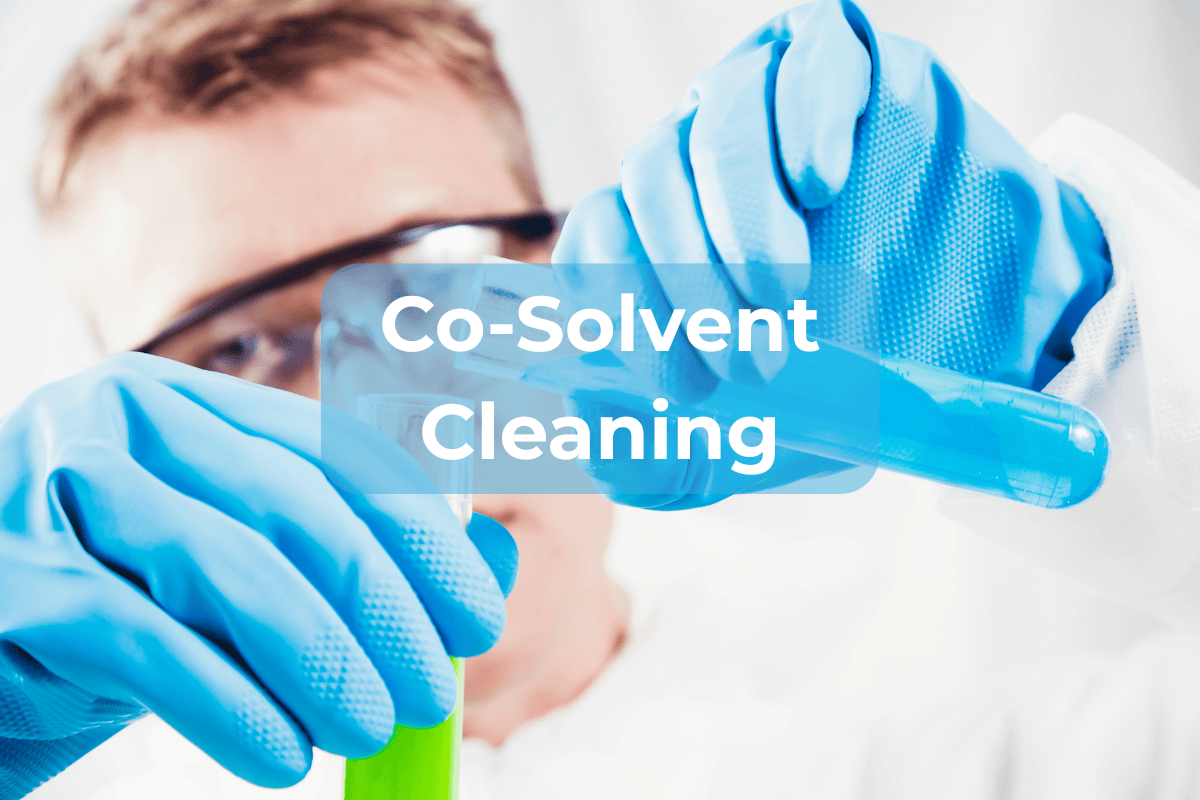
A co-solvent cleaning process is a precision cleaning method that combines two different solvent chemistries to remove a wide range of contaminants from manufactured components.
Historically, co-solvent systems became popular because a single cleaning chemistry often struggled to remove every type of contamination effectively. By combining a primary solvent with a secondary cleaning agent, manufacturers could achieve better cleaning performance across mixed soils such as oils, greases, waxes, flux residues and particulate contamination.
Co-solvent cleaning has been widely used throughout aerospace, defence, electronics, medical device manufacturing and precision engineering sectors where component cleanliness directly affects product quality and reliability.
How Does a Co-Solvent Cleaning Process Work?
Although configurations vary, most co-solvent systems operate using two distinct cleaning stages.
The first stage typically uses a cleaning solvent with high solvency power to dissolve oils, greases, flux residues or other process contaminants.
The second stage uses a rinsing solvent designed to remove both the contamination and any remaining traces of the primary cleaning chemistry.
The cleaned component is then dried, often through vapour degreasing or controlled evaporation.
This combination allows manufacturers to achieve high cleanliness standards on complex components with intricate geometries, blind holes and tight tolerances.
Why Were Co-Solvent Systems So Popular?
For many years, co-solvent systems offered several advantages:
- Excellent removal of mixed contaminants
- Fast cleaning and drying cycles
- High levels of cleanliness
- Compatibility with sensitive components
- Reduced water usage compared with aqueous systems
- Effective cleaning of complex geometries
These benefits made co-solvent cleaning particularly attractive for high-value manufactured components where quality requirements were critical.
What Are the Challenges of Co-Solvent Cleaning Today?
While co-solvent cleaning remains effective in certain applications, many manufacturers are now reviewing their processes due to a combination of operational, environmental and regulatory pressures.
Common challenges include:
Increasing Solvent Costs
Many legacy solvent chemistries have experienced significant cost increases due to changing supply chains, regulatory restrictions and reduced global production volumes.
Environmental Compliance Requirements
Manufacturers face growing pressure to reduce emissions, improve sustainability performance and minimise hazardous waste generation.
Equipment Ageing
Many co-solvent cleaning systems currently in operation were installed decades ago and may struggle to meet modern production, maintenance and compliance requirements.
Process Complexity
Managing multiple chemistries can increase operational complexity, maintenance requirements and waste management costs.
Are Manufacturers Replacing Co-Solvent Processes?
Increasingly, yes.
Manufacturers are now evaluating alternatives that can deliver equivalent or improved cleaning performance while reducing operating costs and environmental impact.
However, replacing a co-solvent process should never be viewed as simply changing chemistry.
Successful replacement projects require evaluation of:
- Component materials
- Contamination types
- Cleanliness specifications
- Production throughput
- Drying requirements
- Regulatory obligations
- Total cost of ownership
Without proper assessment, a replacement project can introduce new quality and production risks.
What Are the Alternatives to Co-Solvent Cleaning?
Several modern technologies are now being used as alternatives to traditional co-solvent processes.
Modified Alcohol Cleaning Systems
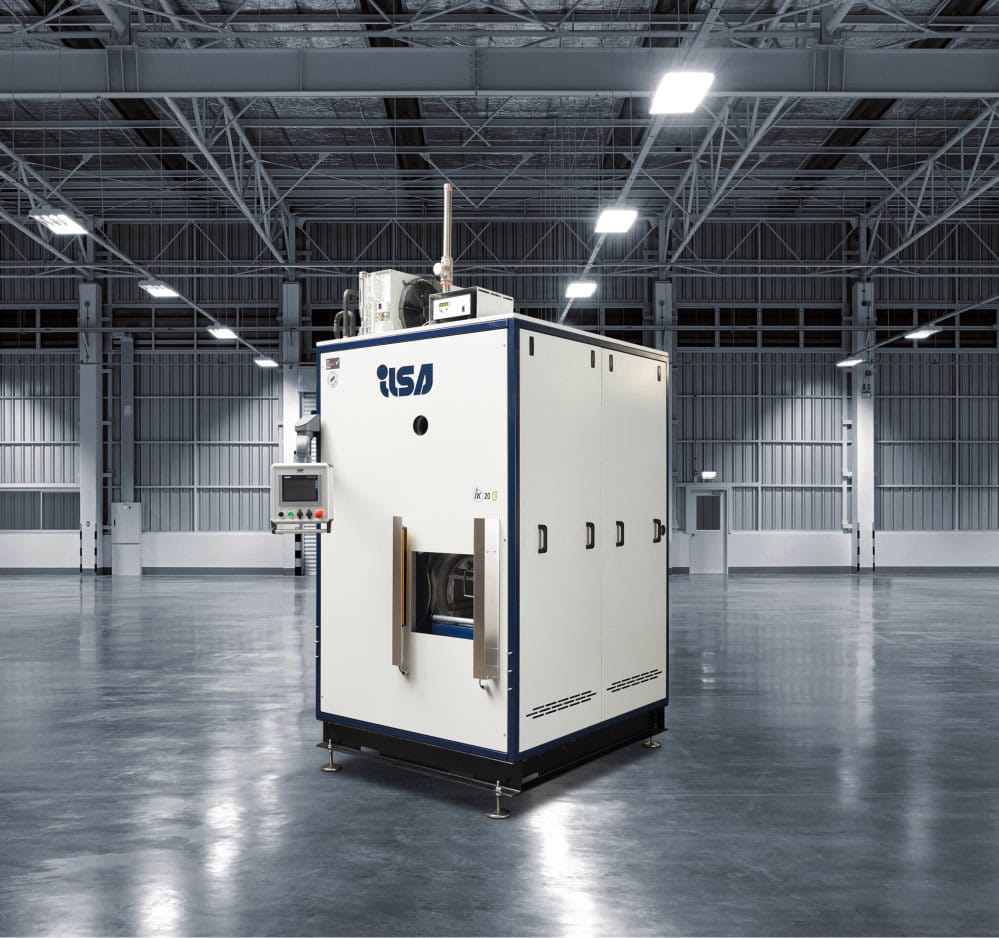
Modified alcohol technology has become one of the most successful replacements for many legacy co-solvent applications.
Modern sealed systems can remove:
- Oils
- Greases
- Waxes
- Flux residues
- Particulate contamination
while delivering excellent penetration into complex component geometries.
Advanced Vapour Degreasing Systems
New-generation vapour degreasing equipment offers significantly improved performance, solvent recovery and emissions control compared with older systems.
Many modern systems can operate with multiple solvent types, providing greater flexibility and future-proofing against regulatory change.
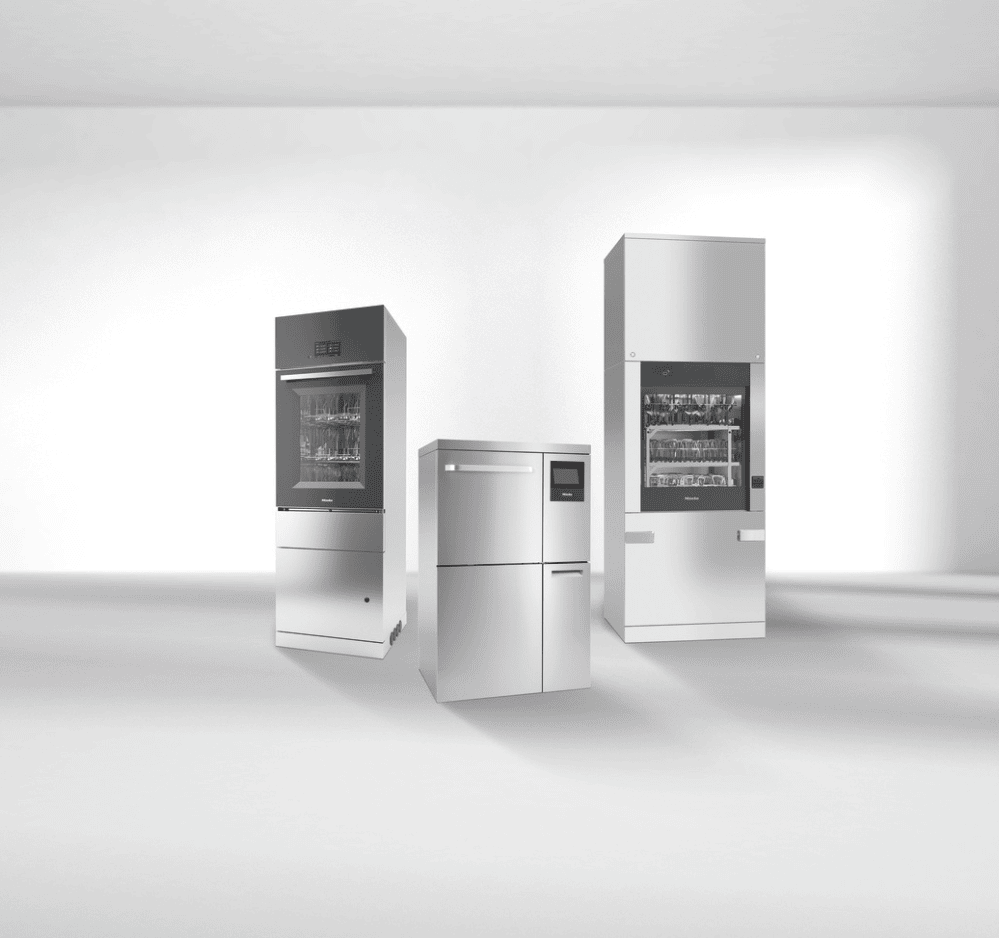
Aqueous Cleaning Systems
For suitable applications, aqueous cleaning can provide a sustainable alternative, particularly where water-based contamination removal is effective and drying requirements can be managed.
How Do You Know Which Technology Is Right?
There is no universal replacement for every co-solvent process.
The correct solution depends on:
- The contamination being removed
- The cleanliness standard required
- Production volumes
- Component design
- Existing manufacturing processes
- Future compliance requirements
This is why cleaning trials, process audits and technical evaluations are often essential before making investment decisions.
Frequently Asked Questions About Co-Solvent Cleaning
What is a co-solvent cleaning process?
A cleaning process that uses two solvent chemistries working together to remove contamination and achieve a high level of component cleanliness.
Is co-solvent cleaning being phased out?
Not entirely. However, many organisations are replacing older co-solvent systems due to operating costs, compliance pressures and advances in alternative cleaning technologies.
What is replacing co-solvent cleaning?
Modified alcohol systems, advanced vapour degreasing equipment and selected aqueous cleaning processes are increasingly being adopted as alternatives.
Is modified alcohol better than co-solvent cleaning?
In many applications, modern modified alcohol systems can achieve equivalent or improved cleaning performance while offering operational and environmental advantages. The suitability depends on the application.
Can a co-solvent process be upgraded rather than replaced?
In some cases, yes. Process optimisation, solvent replacement or equipment upgrades may improve performance without requiring complete system replacement.
Evaluating Your Next Steps
If your organisation is currently operating a co-solvent cleaning process, now is a good time to review whether the system continues to meet your performance, cost and compliance requirements.
A structured process audit can identify opportunities to reduce operating costs, improve cleaning performance and future-proof your manufacturing operation without compromising quality.
Get in Touch
As experts in the field, Fraser Technologies have a deep understanding of the challenges and opportunities facing our clients’ industries and sectors. Our insights and independent recommendations are based on over 55 years experience, and rigorous analysis of the options available to you.